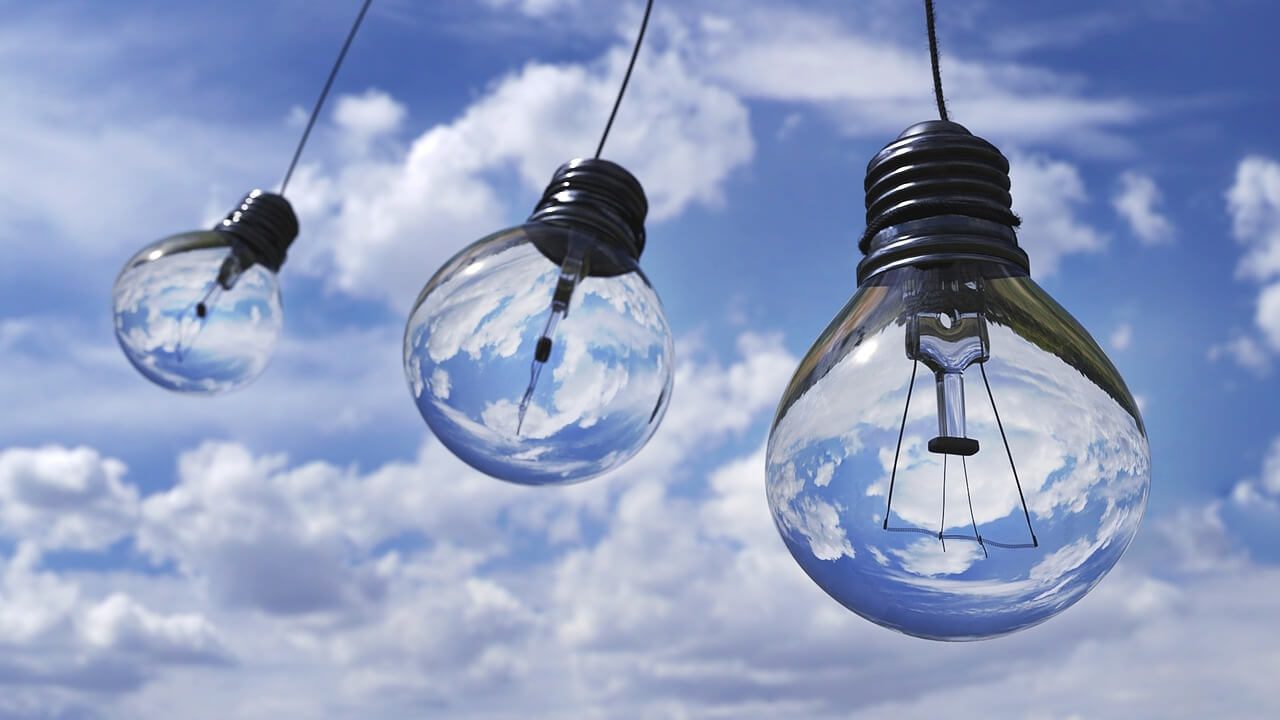

Sustainable lighting is the practice of using lighting solutions that dramatically reduce energy consumption, waste, and environmental impact while still providing high-quality, reliable illumination for people and spaces.
Today, that conversation almost always leads to LED lighting. In this article, we’ll look at how LED technology supports real-world sustainability: cutting energy use by up to 90%, reducing waste through long lifespans and recyclability, improving safety and comfort, supporting ESG goals and property value, tying into emerging technologies like solar “wallpaper,” and how
Relumination helps businesses make the switch smoothly and cost-effectively.
By the end, you’ll see why LED conversion is the sustainability answer most businesses are looking for—and why waiting to upgrade is really just paying extra for no good reason.
Sustainability Starts with Efficient Energy Use
Technological advances in the 21st century can be summarized by several key words: innovative, avant-garde, and prolific. However, in a world where energy resources, the growing population, and the increasing demand for available energy are all in direct competition, perhaps no technological goal should be more pressing than the creation of efficient energy.
Efficient energy use strives to reduce the amount of energy required to accomplish tasks such as interior and exterior lighting, home insulation, and transportation through the creation of products that simultaneously use less energy and last longer. The goal is to create energy that is as self-sustaining and reusable as possible without compromising the quality of the product.
Our modern world runs on batteries, electric lights, and staff willing to work late nights in front of glowing computer screens. In a corporate, technologically advanced society like ours, efficient lighting surfaces are one of the key ways that everyone—from the head CEO to the stay-at-home mom—can participate in energy conservation. The benefits of simple modifications that increase lighting efficiency in homes and offices are reflected in both the electric bill and in the planet’s long-term health and longevity of its resources.
That’s why LED lighting has long been recognized as a front-runner in energy efficiency and sustainability.
Why LED Sustainability Outshines Other Forms of Lighting
You’ve heard plenty about the sustainability of LED lighting, but just how eco-friendly is it really? The answer: extremely.
More Light, Less Power
LED lights use between 50–90% less energy when compared to more common fluorescent or incandescent bulbs. LEDs also produce 10 times more lumens per watt than incandescent lighting. Compared to conventional bulbs, LED lights use 70–85% less energy, which is no negligible difference. As 20% of the world’s energy is being used for lighting, every energy-efficient LED bulb you install works towards protecting the environment.
On top of sheer efficiency:
- LEDs take no time to warm up like traditional bulbs do.
- They can be dimmed to a lower setting, or turned up to provide brighter lighting in a snap.
This combination of high efficiency and precise controllability is the foundation of sustainable lighting.
Longer Lifespan and Reduced Waste
LED lights have an average lifespan of around 50,000 hours—that’s over five times longer than the average fluorescent, and nearly 50 times longer than the average incandescent. That translates to over 10 years of daily commercial or industrial use.
Other sustainable-lifespan facts from the research:
- LED bulbs can last up to 25 times longer than incandescent bulbs.
- They can last up to 10 times longer than compact fluorescent lamps (CFLs).
Since they don’t need to be replaced as often as traditional bulbs, not only does this save you the money you would have used to replace them, but it also:
- Saves the energy required to manufacture more bulbs
Saves the landfill space that burnt-out bulbs would have taken up - Reduces the packaging, shipping, and disposal impacts associated with frequent replacements
Fewer fixtures manufactured + fewer fixtures thrown away = a smaller environmental footprint.
Greener, Safer Construction
Another great advantage to LED lights is that they are 100% recyclable, and toxic chemicals are not used in their construction. Unlike incandescent and fluorescent bulbs, which use mercury and other harmful chemicals in their manufacture, LEDs are non-toxic and far easier to handle at the end of their life.
Because of their long life and durability:
- Much fewer LEDs need to be manufactured in the first place.
- LEDs are much harder to break than vacuum tube bulbs.
- They don’t carry a risk of mercury contamination if damaged.
All of this contributes directly to more sustainable, safer workplaces and communities.
Less Heat, More Comfort
The extensive lighting of buildings places a heavy heat load on air conditioning systems during warm weather. Traditional lighting technologies waste a large portion of their input energy as heat—something you feel immediately if you’ve ever changed a hot bulb.
LEDs, on the other hand, put out substantially less heat:
- Less waste heat means your HVAC system does less work, consuming less energy.
- Occupied spaces feel more comfortable, especially in hot climates and high-bay environments.
- Lower fixture temperatures reduce fire risk and thermal stress on nearby materials.
From a sustainability point of view, LEDs reduce fossil fuel consumption not only directly (through lower lighting energy use) but indirectly (through reduced cooling demand).
Instant Control and Smarter Savings
LED lights are easily dimmed and switched on and off by sensing technology such as motion sensors and daylight sensors. Because LEDs are instant on/off, there are no long warm-up or cool-down times like HID or some fluorescent systems. That means:
- Occupancy sensors can shut off lights in unoccupied areas without frustrating delays.
- Daylighting controls can dim or turn off lights when there is enough natural light coming through windows or skylights.
- Schedules and controls can align lighting usage precisely with actual business hours and needs.
These systems prevent unnecessary lighting in unoccupied areas of buildings, which further reduces energy consumption and emissions—pushing sustainability even further with the same installed hardware.
LED Lighting as a Core Business Sustainability Strategy
Sustainability has become more than just a buzzword—it’s a guiding principle driving businesses to adopt environmentally responsible practices. As companies seek ways to reduce their carbon footprint and minimize energy consumption, LED lighting stands out as both effective and economical.
Energy Cost Reduction
One of the biggest reasons commercial property owners invest in sustainable lighting systems is simple: money.
- Sustainable lighting systems utilize far less energy than traditional lighting systems.
- Many businesses report cost savings up to 90% on their lighting energy usage.
- LEDs can cut lighting-related energy consumption by up to 90% in some applications.
The cost of being energy inefficient is rapidly rising—both for the environment and for your bottom line. With electricity prices trending upward over time, every kilowatt-hour saved is more valuable tomorrow than it is today.
Environmental Benefits and ESG
Buildings that use traditional lighting systems can use a significant amount of energy each year, which ultimately requires the use of fossil fuels. Those that upgrade to a sustainable system greatly reduce their carbon footprint.
LEDs support environmental sustainability because:
- They reduce fossil fuel consumption and place a smaller energy load on renewable sources such as solar and wind.
- They don’t contain environmentally damaging substances such as the mercury used in fluorescent lights.
Their longer service life reduces manufacturing, packaging, transport, and disposal impacts.
Many businesses also consider their ESG (Environmental, Social, and Governance) score, which measures energy consumption among other factors of sustainable business practices. By choosing energy-efficient LED lighting solutions, the lowered energy consumption raises this score and demonstrates a commitment to improving standard processes within their industry.
Property Value and Brand Image
Sustainable lighting can also boost your asset value and your brand:
- Real estate investors today are looking for assets that provide environmental benefits and can report affordable utility bills.
- Properties that have these upgrades, including those that receive LEED certification, will often be purchased at a premium compared to other assets in the marketplace.
- Customers increasingly prefer engaging with enterprises that prioritize environmental conservation.
From a brand perspective, switching to LEDs is a visible, credible way to show you care about the environment. As one of our articles notes, aside from the initial up-front cost (which will eventually be offset by the system’s savings), there is literally no downside to switching to a cleaner, greener, and more sustainable lighting system.
Real-World Sustainability in Action: LEDs in Projects and Sectors
LED sustainability isn’t just a concept—it’s showing up in real projects today, across different industries and scales.
Airports: More Sustainable and Safer
LED lighting is not only more efficient and sustainable, but it is also safer than other available lighting—especially in critical environments like airport runway areas.
- In Ocala, Florida, the Ocala International Airport is replacing its old airfield lighting with high-intensity LEDs. The airport will see a new main runway and taxi lighting, directional signage, windsocks, and precision approach path indicators that guide pilots to the runway. The new lighting will also be more accessible than the old underground system, with light bases above ground for easier maintenance.
- In the United Kingdom, Manchester Airport, the fourth busiest airport in the UK, is having 2,000 80-watt lamps in its Terminal 2 and 3 car parks replaced with 30- and 40-watt LED lamps. The LEDs will decrease carbon emissions by 50% and reduce energy bills by 60%.
Manchester Airport also upgraded its insulation and replaced its roof lights to allow more natural lighting in the terminal, saving even more on electricity. These projects show how LEDs fit into a comprehensive sustainability plan that includes both efficient technology and smarter building design.
Education and Community: “The Sustainable Table”
Relumination was approached to work with Metro Tech High School in Phoenix, Arizona, to help teach students about sustainability and the positive impact of energy conservation. We:
- Worked with students to learn how to identify conservation projects and how to calculate potential savings and environmental impact.
- Provided LED lighting for their “eco-friendly” dining room project, called “The Sustainable Table”.
The room was transformed into a green dining experience with everything from re-purposed building materials to locally sourced foods. LED lighting reduces energy consumption in the room by 87% over traditional halogen and fluorescent products, while giving them over 20 years of expected life and a beautiful warm feel without the heat emitted by halogens.
The room is comfortable, bright, and most importantly, sustainable—a live example of how LED lighting supports both educational goals and real environmental performance.
Future Trends: LEDs and the Next Wave of Sustainable Innovation
LED technology itself continues to evolve, and it also pairs beautifully with emerging renewable energy systems.
The NEWLED Project and Next-Generation Efficiency
The future of LED lighting is even brighter thanks to a ground-breaking study out of Europe called the NEWLED Project. Based in Scotland, the project aims to:
“develop a new generation of 50–60% energy-efficient white light-emitting LED lights, which would be more than twice as efficient as existing LED-based bulbs.”
Those involved with this European-wide project believe that:
- These higher-efficiency white-light LEDs will enable effective heat dissipation and light management.
- The devices are expected to have applications in automotive, industrial lighting, and displays.
- Widespread use could cut global energy consumption by about 10%.
Advances like these will continue to increase the availability and impact of green, energy-efficient technology.
Solar Wallpaper and “Invisible” Renewables
Solar panels and electric lights have been getting quite cozy over the past few years. Whether it’s highway lamps charged up during the daylight hours, or businesses who dedicate their solar arrays to keeping interior lights on, a huge amount of renewable power is already being spent to make sure we never have to deal with the dark.
For businesses looking for new and innovative ways to keep the lights on, an interesting example comes from a former Chinese furniture store.
Len Gao and Phillip Gao, a father-and-son team behind Sunflare, used their furniture business to finance their solar ambitions. The result is a product sometimes called “solar wallpaper.”
These solar panels:
- Lack the stiff, glass substrates found in traditional solar arrays.
- Are significantly thinner and more flexible.
- Can be installed on surfaces where traditional panels wouldn’t work—potentially even like wallpaper in a sun room or atrium.
With the ability to put solar panels in more places, businesses may start rethinking their designs. If you can put up a lot of windows to let in natural light, then you’re saving costs and generating electricity at the same time. And if those subtle solar panels are combined with efficient lighting systems like LEDs, it’s possible you may rarely need to pay to keep the lights on.
Practical Sustainable Lighting Options for Businesses
Many business owners are working towards achieving sustainability in their daily operations, as customers prefer engaging with enterprises that prioritize environmental conservation. One of the best ways to create a sustainable workplace is to opt for eco-friendly lighting.
Architectural Modifications and Daylighting
If you prefer not to start with product catalogs, you can consider modifying the architectural design of your space to maximize natural light and reduce your reliance on artificial lighting. For instance, you can:
- Arrange light shafts, windows, and skylights to maximize natural light by adopting a daylighting design.
- Open up interior layouts so natural light can reach deeper into the building.
These changes make your office brighter during the day and reduce the hours your electric lights need to be on.
LED Lighting as the Primary Solution
For most commercial and industrial buildings, modern LED lighting is the core sustainable option:
- Early LED bulbs were sometimes criticized for being dim, but today’s LEDs are brighter and more versatile, making them ideal for almost any business application.
- Because they last much longer than ordinary bulbs, you’ll reduce the cost and frequency of replacing light fittings over time.
- LEDs pair perfectly with controls, sensors, and smart systems, helping squeeze every last bit of waste out of your lighting profile.
CFLs: A Step, But Not the Finish Line
If LED bulbs are still perceived as an expensive option for your organization, CFLs (compact fluorescent lamps) may look attractive because they are more affordable and more efficient than old incandescents.
However:
- CFL light fittings are challenging to recycle due to their mercury content, making them less sustainable for your office environment compared to LED bulbs.
From a long-term sustainability and environmental perspective, LEDs remain the best choice.
LED Conversion: The Sustainability Answer Most Businesses Are Looking For
Businesses today are continually seeking ways to be more sustainable and reduce their carbon footprint—not just because it’s good for their image, but because it saves money.
One of the smartest and easiest things you can do as a business is to overhaul the types of lights you’re using. LEDs are cheaper now than they’ve ever been before.
According to Boston University, LED lights can save up to 80 percent of the power used by traditional light bulbs. Which is why:
- If you simply unscrew the incandescent bulbs you’re using now and replace them with LEDs, you’ll experience instant savings with little actual change to your lighting setup.
Even if you use a more complicated lighting array (fluorescent tubes, high-pressure sodium lights, metal halide, etc.), you will still save in costs over the long term by switching to LED lighting.
While the upfront cost often makes a business balk, the important thing to consider is your savings over the lifetime of the installation. Every day you use a less efficient lighting system is another day you’re using (and paying for) more electricity than you need.
A simple analysis of your current lighting system will reveal:
- How much you’re currently spending
How much switching to LEDs would save you over the lifetime of your business - How much waste and emissions you can avoid
What that analysis won’t fully capture is the amount of waste you save (since LED bulbs last longer and are completely recyclable) and the positive impact on your company’s image and your ability to attract new clients with your green initiative.
Aside from the initial, up-front cost (which will eventually be offset by the system’s savings), there is literally no downside to switching to a cleaner, greener, and more sustainable lighting system.
How Relumination Supports Your Sustainability Journey
Relumination specializes in helping companies of all sizes reduce their carbon footprint and utility bills through sustainable lighting solutions.
We:
- Help you assess your current lighting, energy use, and sustainability goals.
- Design LED lighting installations or retrofits tailored to your building type—whether it’s an office, warehouse, manufacturing plant, airport, school, or retail space.
- Work with you every step of the way, from planning and product selection to implementation.
- Assist with qualifying rebates and incentives, and support you with the necessary paperwork where applicable.
We’ve seen firsthand how LED lighting can reduce energy consumption in a space by 80–90%, extend fixture lifespans by decades, and transform environments into places that are comfortable, bright, and sustainable.
Conclusion: A Brighter, More Sustainable Future
Sustainable lighting is about more than swapping out bulbs—it’s about making smarter choices that benefit your business, your people, and the planet.
LED lighting:
- Uses 50–90% less energy than traditional lighting
- Lasts many times longer, drastically reducing waste
Contains no toxic mercury and is 100% recyclable - Produces less heat, easing the load on your HVAC systems
- Works seamlessly with sensors, controls, and even on-site renewables like solar
- Supports better ESG scores, property values, and brand perception
From airports and schools to office buildings and manufacturing plants, LEDs are helping organizations of every size make the transition from energy-wasting legacy systems to efficient, sustainable lighting.
If you’re ready to improve your business sustainability with LED lighting—and want a partner who understands both the technical and financial sides of that journey—Relumination is here to help.