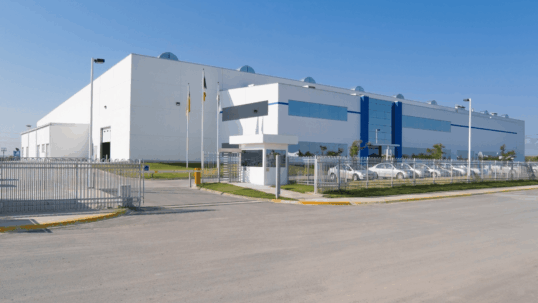
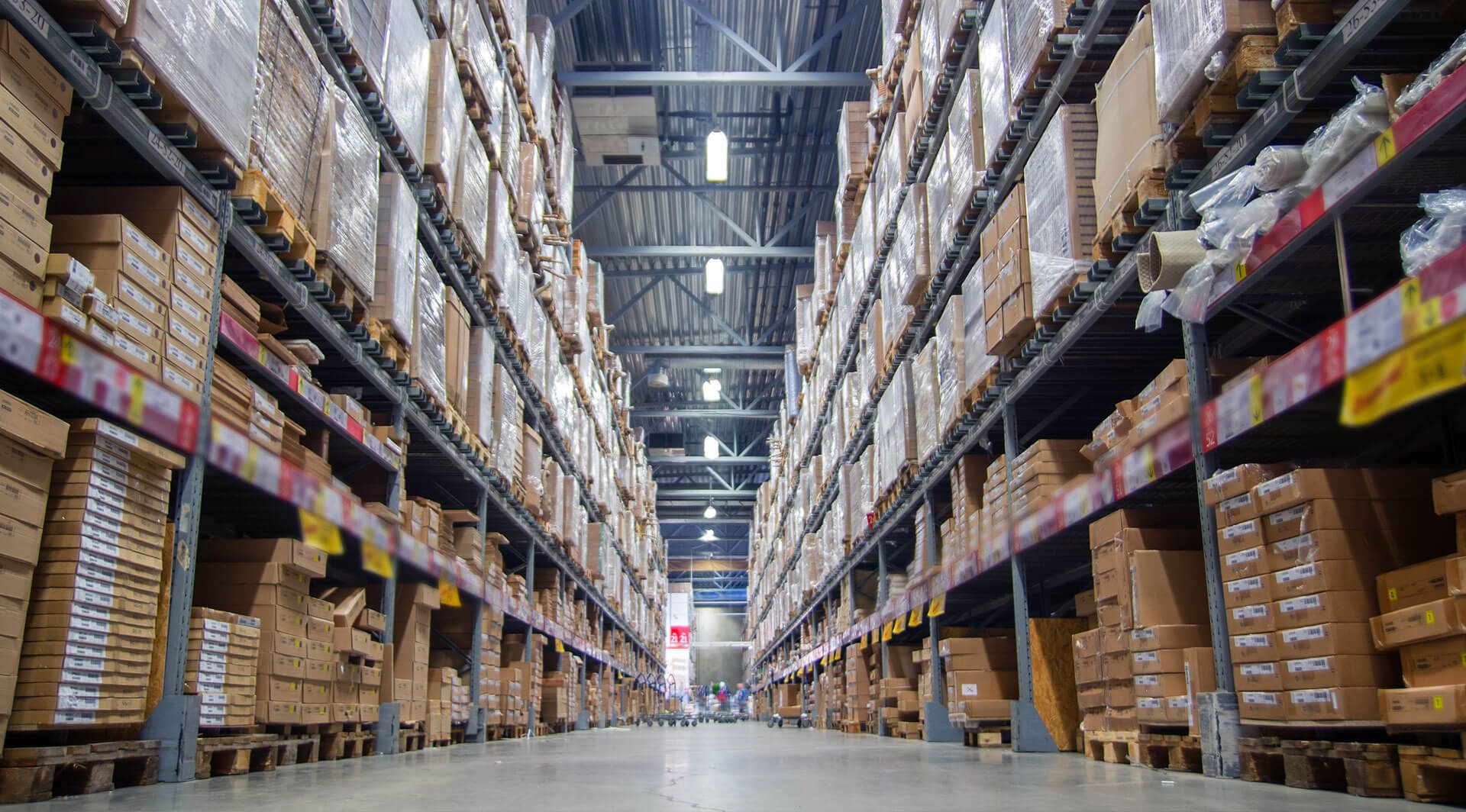

Warehouse lighting is the design, selection, and control of lighting systems that illuminate warehouses and distribution centers so people can work safely, productively, and efficiently.
In this guide we cover compliance and industry standards (OSHA foot‑candles and photometrics), why better lighting boosts productivity and safety, LED vs. legacy technologies, smart sensors and controls, retrofit ROI and utility rebates, forklift safety, circadian considerations for night shifts, and Relumination’s turnkey process.
Key takeaways: LED lighting can cut energy use by 50–90%, improve visibility and morale, reduce accidents, lower cooling loads, and deliver rapid payback—often under three years, and in some cases under one year.
Why Better Warehouse Lighting Is Non‑Negotiable
When it comes to keeping your warehouse or distribution center in good condition, it most certainly will not be an easy task to accomplish. These types of operations can take a significant amount of energy and time, especially when it is compared to other types of businesses. Distribution centers and warehouses have more space to cover, so it will take more time to manage it effectively.
Lighting is always a key aspect to consider in any kind of business, no matter what kind of building it is in. Effective and proper warehouse & distribution center lighting is basically a legal requirement. Your employees have to pack and unpack things from boxes. They will also have to load those boxes onto vehicles, so it is highly important that your warehouse and center have enough lighting. That allows everyone to see when he or she is working throughout the warehouse.
If your warehouse is not properly lit, your employees may have no idea where things are or where they are supposed to be. However, when they can see everything and they know where they are going in the well‑lit warehouse, they will be more productive and efficient in their work. There will be a smaller chance of preventable accidents occurring because the better lighting will improve the safety of the warehouse.
Warehouses never sleep. Workers are in many warehouses 24 hours a day, causing the company’s electricity bills to skyrocket. These high electricity costs can be significantly reduced by replacing old, inefficient lighting with LED luminaires.
Multiple case studies have reported electricity savings of over 60% from making the switch to LED! These companies have saved on energy costs, and the new lighting has improved employee morale—one Ohio plant said the old facility looked like a “dungeon” compared to the new, brighter plant.
Compliance, OSHA Standards, and Photometrics
Warehouse productivity is directly linked to good lighting. Poorly‑lit areas can result in mistakes, accidents, lower productivity, and higher operating costs. A well‑lit warehouse enables companies to counter all of these negatives, resulting in higher productivity, lower operating costs, and therefore, higher profits.
OSHA Standards govern installation requirements for warehouse lighting and other industrial and commercial activities. OSHA measures light in foot‑candles (ft‑c), the amount of light needed to illuminate one square foot of area from a uniform light source. The administration sets the minimum lighting standard in general areas at five foot‑candles (5 ft‑c), while loading platforms and certain maintenance areas are only required at three foot‑candles (3 ft‑c). These are mandated minimums; unions and state or county regulators may require more. OSHA also regulates outlet and switch placements, as well as safe relamping conditions. Adhering to these standards is critical, and Relumination focuses on the safety and illumination standards of each lighting system we design.
To meet and exceed standards, Relumination applies photometrics—a system that analyzes lighting the way a human eye sees it—to ensure even distribution with no gaps and the right intensity for specific tasks without eye strain or dazzle. We keep up to date with standards, use the latest OSHA software to do the calculations each regulatory standard demands, and keep projects streamlined so jobs are completed efficiently and without disrupting warehouse productivity.
Relumination’s process includes a detailed Needs Analysis, engineered systems design using your current lighting locations and intensity to calculate the most efficient system for your facility, a clear proposal, a dedicated project manager, verification and training, and warranty/service support. We also navigate utility rebate guidelines to maximize incentive dollars.
Why LED Wins in Warehouses
Traditional warehouse lighting is fraught with problems. The older “bell style” High Pressure Sodium and Metal Halide lighting is terribly inefficient, costly to maintain, and emits a poor quality of light. Many warehouses switched to linear fluorescent technologies like T8 and T5, only to find that any electricity savings were consumed by additional maintenance and flicker that causes eyestrain and worker fatigue.
LED lighting is similar to daylight except that it doesn’t have the harmful UV levels of sunlight. LED light is white and brighter per watt consumed than other commonly used lighting. A well‑illuminated warehouse is important for avoiding injuries where forklifts and workers on foot work side by side.
- Long life, low maintenance: LEDs often last 50,000 hours (and fixtures can be specified much longer), so you don’t have to change bulbs as often—hugely important at high mounting heights.
- Instant‑on and full dimming: LEDs don’t require warm‑up and are readily dimmed, brightened, and turned on/off without damage or life reduction.
- Low heat, lower cooling: Inefficient lighting puts out a lot of waste heat. LEDs reduce heat output so you can keep workers cool with less air conditioning in summer and reduce refrigeration loads in cold storage areas.
- Durability: LEDs are compact, rugged, and handle harsh environments.
Intelligent LED lighting combines the energy savings of LEDs (40–60%) with manageability via 0–100% dimming, daylight sensing, and occupancy monitoring. Intelligent LEDs can reduce lighting‑related operating expenses by as much as 90% and often have a payback under 1 year. Over their lifetime, intelligent LED lighting costs 8–10× less than traditional lighting. That’s money in the bank!
Smart Sensors and Controls: The New Baseline
Understanding smart sensors. Smart sensors detect environmental conditions and adjust lighting accordingly—monitoring occupancy, daylight availability, and specific activities by location. By leveraging this data, they enable lighting systems to operate only when needed to maximize energy savings and minimize waste.
Optimizations using smart sensors:
- Occupancy detection. Sensors identify when an area is occupied and automatically adjust lighting levels—dimming or turning off entirely in unoccupied sections, extending fixture life and lowering maintenance. The data gathered about occupancy can be reviewed regularly by operations managers to fine‑tune workflows.
- Daylight harvesting. Utilize daylight when available and lower light levels from fixtures, returning to full brightness only when needed. Access to daylight and less exposure to overhead lighting can improve morale.
- Personalized control. If a warehouse experiences a sudden influx of activity—peak hours or special projects—smart sensors increase lighting in those areas; during quieter periods, they dim or switch off to conserve energy.
- Remote monitoring and management. Connectivity features provide centralized, remote control. Alerts on anomalies (a burned‑out or malfunctioning light) enable proactive maintenance, speeding repairs and minimizing downtime.
Bottom line: Integrating intelligent sensor technology with high‑quality LED lighting is a game‑changer for minimizing operational costs while maximizing productivity. Relumination’s turnkey, energy‑efficient lighting solutions make the upgrade process pain‑free.
Productivity, Safety, Morale—and E‑Commerce Throughput
Thanks to the rise of online stores, distribution centers are busier than ever. Pulling off a high volume of small orders efficiently is essential to staying competitive. Lighting affects productivity in a number of ways:
- Fewer picking errors. Poor lighting causes more errors from inventory shelves, resulting in costly returns and lost customers.
- Less eyestrain and fatigue. Dim and flickering fluorescent lights increase fatigue; LEDs’ bright, uniform output solves visibility and eye fatigue problems.
- Fewer accidents. Busy people sharing dimly lit aisles with busy forklifts are accidents waiting to happen. More uniform lighting and better color quality create a safer environment.
- Lower heat load. LEDs reduce waste heat, keeping warehouses bearable in summer with less air conditioning.
Worker morale & cognition. Well‑lit spaces create a more inviting, energizing atmosphere, fostering positivity and well‑being. Lighting regulates circadian rhythms and influences alertness and concentration. LED lighting contains a blue light component that improves mental alertness, especially important for night shifts.
Night‑shift tip: Use bright lights on shift and equip night workers with dark sunglasses on the commute home. The glasses help maintain the illusion that morning is evening or night, so sleep schedules feel more natural.
Driving operational excellence. The cumulative effect of improved lighting is a more streamlined operation—optimized processes, minimized downtime, and maximized throughput. From docks to aisles, the right LED lighting brightens every area.
Forklifts and Visibility: A Hidden Safety Risk
Forklifts can weigh up to 10,000 pounds and may carry loads of up to one half their weight. This means a 10,000‑pound forklift may carry 5,000 pounds, totaling 15,000 pounds. In busy warehouses, rushed forklift operators travel at speeds of 8 mph. At such a speed, a 15,000‑pound combination cannot stop on a dime. Forklift accidents are all too common and cause many fatalities. Contributing factors include operator or floor worker distraction, loads obstructing visibility, limited visibility in reverse, and poor warehouse lighting.
Warehouses with lighting levels below 2 lumens per square foot are accidents waiting to happen. This minimum also applies to the dimmest areas. Solve the problem with:
- Effective lighting technology: LEDs put out the most illumination for the power consumed and are compact, rugged, and long‑life.
- Reflective surfaces: Light‑colored walls, ceiling, and a clean polished floor scatter and distribute overhead light.
- Supplement dark zones: Add lighting to meet minimums.
- LED forklift lights: Bright white, moving light catches floor workers’ attention.
These warehouse & distribution center lighting changes will reduce accident rates, which should reduce workers’ compensation premiums and keep your people safe.
Case Studies, Data, Rebates, and ROI
Rockline Industries (Arkansas). Replaced 140 400‑watt metal halide fixtures with 150‑watt LED bulbs. Employees reported an immediate temperature drop; there was a 10–15% reduction in air conditioning demand because the new lamps do not give off heat. The company is saving thousands annually on maintenance (no more rented trucks to clean/replace lamps), received a $48,000 energy‑savings rebate, expects a 10‑year lifetime from each fixture, and anticipates ROI in less than a year.
Frontline International (Ohio). Workers said the old plant looked like a “dungeon” compared to the new, brighter plant.
Interstate Warehousing (IN/OH/TN). Upgraded to intelligent LED lighting from Digital Lumens. In the new area of the Indiana facility, the LED system saves $30,000 per year compared to the older area. LEDs can be programmed to conform to warehouse usage—dimming or shutting a light off in an aisle during inactivity. Refrigerated warehouses see even more savings because LED lighting gives off no heat, lowering cooling costs.
Cold Canyon Material Recovery Facility. Replaced 80+ 400‑watt metal halide lamps with 148‑watt LEDs, saving more than $13,000 annually. 50,000‑hour lifetime; ROI in less than three years. Employees love the “brighter, whiter light.”
Americold (MA, UT, WI). Replacing metal halide with bright, efficient LEDs. Saving over 90% on energy from efficient lighting, occupancy sensors, and network controls. Occupancy sensors turn lights on when workers enter and dim or turn off when no movement is detected. Considered dimmable fluorescent lamps, but fluorescents only dim to 50% power because the ballast must stay hot for instant return to full power; turning fluorescents on/off shortens life, while LEDs are unaffected and instant‑on. Low‑temperature facilities save on air conditioning. Considered solar lighting and insulation but chose LEDs thanks to energy savings, low maintenance, government rebates, and incentives. Energy consumption down by 2.3 million kWh. Installations continuing in AL, AR, IL, and TX.
March Foods (UK). Replaced 84 450‑watt HPS lamps with 150‑watt LEDs—66% more energy efficient. The instant‑on feature saved another 72% on energy and reduced carbon emissions by ~98 tons annually. LEDs now hang two feet from the ceiling (vs. 4–5 feet), reducing strikes by pallet trucks. Prior HPS relamping required a cherry picker rental—over $2,700 annually—and long delays because HPS took 10–15 minutes to come back on. Projected payback in less than three years, possibly six months sooner depending on electricity prices. One worker felt noticeably less tired at the end of a night shift.
Macro trends and code. Energy use in commercial facilities rose 69% from 1980 to 2009, with another 22% rise projected from 2009 to 2035. Lighting is roughly half of commercial electric demand, and 20% of global electricity powers lighting. The U.S. DOE determined Standard 90.1‑2013 improves efficiency, estimating 8.5% source energy and 7.6% site energy savings nationally; states must certify codes meet or exceed 90.1.
Personal control & smart buildings. A California Utility District that converted to personal remote dimmers found light requirements ranged from 6 to 33 foot‑candles. After LED and smart building control upgrades, employees controlled roughly half the facility’s lighting; annual savings were 94%.
Utility rebates & incentives. Initial costs are increasingly offset by local utility incentives for energy‑efficient upgrades. Relumination’s staff has the expertise to navigate rebate guidelines to maximize available dollars.
Equation for a smarter warehouse: Less Electricity + Less Maintenance + Safer Working Environment + Reducing Carbon Footprint = a smarter warehouse.
Choosing Fixtures and Controls (With Relumination)
There are three main types of warehouse lighting: LED, fluorescent, and high‑intensity discharge. LED lighting is the most cost‑efficient because of lower electricity consumption, longer lifespan (up to 250,000 hours in certain engineered systems), and the ability to include customized controls ranging from basic motion sensing to task tuning and progressive dimming.
Tasks vary. Your warehouse holds a variety of activities—shipping, packaging, receiving—and different job tasks require different levels of lighting. The right LED design gives you proper light wherever and whenever you need it.
Relumination’s Seven‑Step Process
- Needs Analysis
- Preliminary Assessment
- Engineered System Design (photometrics to right‑size intensity and spacing)
- Project Proposal
- Implementation & Project Management
- Post‑Implementation & Verification
- Service & Support
Add an annex to your building without adding electrical requirements—high‑efficiency LEDs and controls free up capacity. Want to model savings? Use our calculator and ask for a demonstration.
Retrofit Timing, Payback, and What to Expect
Warehouse & distribution center lighting can be daunting in large, 24/7 facilities. The more you use, the sooner you see ROI. A facility running lighting for 16 hours/day often sees payback in under three years, while a warehouse operating 24/7 can see payback in less than two years. Generally, LED lights will use 50–90 percent less energy than traditional lights and last significantly longer. LEDs are eco‑friendly and work extremely well in harsh environments.
You’ll notice:
- Low energy costs and low maintenance
- Better quality of lighting and fewer accidents
- Bright, stable light from docks to aisles—no flicker
Before spending a fortune on sophisticated productivity technology, try using better lighting first.
Conclusion: Make the Upgrade That Pays for Itself
Any job with nocturnal shifts has more dangers than daytime equivalents. Visibility is lower, schedules are off‑kilter, and fatigue is real. Replicating daylight (5000K “daylight” LEDs) during shifts and optimizing controls improves alertness and safety. Pair that with smart sensors (occupancy, daylight harvesting, personalized control, remote management), and you unlock the fastest operational savings available in warehousing.
From OSHA‑compliant foot‑candles and photometric precision to case‑proven ROI, LED retrofits and intelligent controls deliver a safer, brighter, cooler, and more efficient facility. Relumination helps you maximize productivity and comply with State and Federal requirements, while identifying rebates and designing a system tailored to your space.
Contact Relumination to request a free facility analysis and see how quickly a warehouse lighting retrofit will improve safety, boost throughput, and reduce operating costs—with paybacks often measured in months, not years.